

In 2026, Apple officially launched its first foldable phone, the iPhone Duo, marking its entry into the foldable phone market. At the same time, Samsung also launched the new Galaxy Z Fold8, further enriching its large-screen foldable phone product line. For users already accustomed to iPhones or Samsung Galaxy phones, the choice might be relatively simple. However, for those who have never used a foldable phone before, the question is not so easy to answer. So, which foldable phone should you choose for your first purchase? This article will provide a detailed comparison from aspects such as design, screen, performance, camera, battery life, software experience, and daily usage scenarios to help you find the foldable phone that best suits your needs.
 iPhone Duo vs Samsung Galaxy Z Fold8: Quick Comparison
Before delving into the analysis, let's first understand the main differences between the two devices through a parameter table.
|
Comparison Projects |
iPhone Duo |
Samsung Galaxy Z Fold8 |
|
Operating system |
iOS 27 |
Android |
|
Processor |
Apple A20 Pro |
Snapdragon 8 Elite Gen 5 for Galaxy |
|
External screen size |
5.4 inches |
5.5 inches |
|
Inner screen size |
7.6 inches |
7.6 inches |
|
Inner screen type |
OLED |
Dynamic AMOLED 2X |
|
Screen refresh rate |
Up to 120Hz |
1–120Hz adaptive |
|
Body weight |
254g |
201g |
|
Unfolding thickness |
5.2mm |
4.5mm |
|
Rear camera |
48MP main camera + 48MP ultra-wide-angle camera |
50MP main camera + 50MP ultra-wide-angle camera |
|
Battery |
Dual-battery architecture |
4800mAh dual batteries |
|
Video playback time |
Maximum 31 hours (internal screen) |
Maximum 26 hours |
|
Protection level |
IP68 |
IP48 |
|
Starting price (USA) |
$1,999 |
$1,899.99 |
In terms of specifications, both phones feature a 7.6-inch internal screen with a 120Hz refresh rate and are equipped with high-performance processors. However, their product positioning differs somewhat . The iPhone Duo emphasizes the Apple ecosystem, the integration of hardware and software, and the imaging experience; while the Galaxy Z Fold8 focuses more on lightweight design, multitasking, and the openness of the Android system.
Design and Portability: Which Foldable Is Easier to Carry?
For first-time foldable phone buyers, design and portability should be among the primary considerations. After all, while foldable phones offer larger screens, their structure differs from traditional phones. Excessive weight or thickness when folded can negatively impact daily carrying and one-handed operation.
iPhone Duo: Premium Titanium Design
The iPhone Duo continues Apple's design philosophy for high-end products, employing a Grade 5 titanium structure and a precision hinge design. When unfolded, it's only 5.2mm thick, and when folded, it's approximately 11.3mm thick, weighing 254g. Apple also designed a dual-screen structure for it, using a 5.4-inch external screen when folded, and providing a large 7.6-inch screen when unfolded. For users accustomed to iPhones, this design offers a larger display area while retaining familiar operation. However, its 254g weight means it's not a particularly lightweight foldable phone. If you're used to using your phone with one hand for extended periods, it may take some getting used to.
Samsung Galaxy Z Fold8: Lightweight and Slim
The Samsung Galaxy Z Fold8 excels in portability. Weighing approximately 201g, it's only 4.5mm thick when unfolded and about 9.7mm thick when folded. Compared to the iPhone Duo, the Fold8 is 53g lighter. This weight difference is noticeable for users who need to carry their phones all day. Samsung employs the Armor Aluminum frame, Flex Titanium screen support structure, and Armor FlexHinge design, ensuring both weight control and overall structural strength .
Which is Better?
If lightweight design and portability are your priorities, the Galaxy Z Fold8 is clearly the better choice. If you prefer Apple's titanium design and can accept a slightly heavier body, the iPhone Duo is also a good option. For first-time foldable phone buyers, it's advisable to try out both devices in their folded and unfolded states before purchasing, focusing on the smoothness and convenience of one-handed operation.
Display Experience: Which Foldable Offers a Better Big-Screen Experience?
The biggest advantage of foldable phones is that they can provide a larger display area within a relatively compact body. Therefore, the size, aspect ratio, display effect, and actual user experience of the inner and outer screens are all important factors to consider.
iPhone Duo: Consistent Display Experience
The iPhone Duo features a 5.4-inch external screen and a 7.6-inch internal screen, both of which use Super Retina XDR OLED technology.Its internal screen has a resolution of 1878 × 2670, with a pixel density of 430ppi. Notably, Apple has added a nano-textured surface treatment to the internal screen, which reduces light reflection and glare, providing users with a more comfortable viewing experience in bright environments.In addition, both screens support ProMotion adaptive refresh rates up to 120Hz and Always-On Display. A key advantage of the iPhone Duo for first-time foldable phone users is the similar aspect ratio of the two screens, allowing for a more seamless transition between unfolded and folded states.
Galaxy Z Fold8: Immersive AMOLED Display
The Galaxy Z Fold8 also features a 7.6-inch inner screen, but it uses Dynamic AMOLED 2X display technology. The outer screen is 5.5 inches, and both the inner and outer screens support a maximum refresh rate of 120Hz, with the inner screen supporting an adaptive refresh rate of 1–120Hz. Samsung has accumulated extensive experience in large-screen displays and multitasking. For users who frequently read ebooks, browse the web, watch movies, or open multiple applications simultaneously, the Fold8's large screen offers more flexible operating space.Especially in landscape mode, users can make fuller use of the inner screen space to watch videos and process documents.
Which is Better?
Both phones have the same internal screen size, but their screen technology and software adaptation methods differ. The iPhone Duo emphasizes display consistency within the Apple ecosystem, while the Galaxy Z Fold8 has an advantage in Android large-screen applications and multitasking. If you primarily use your phone for watching videos, reading, and browsing content, both products will meet your needs. However, if you want to use your phone as a small mobile work device, the Galaxy Z Fold8 is worth considering.
 Performance and Multitasking: iOS vs Android
For foldable phones, processor performance is certainly important, but what truly affects the user experience is often how the system utilizes the large screen.
iPhone Duo: A20 Pro and iOS 27
The iPhone Duo is powered by Apple's A20 Pro chip, featuring a 6-core CPU, a 7-core GPU, and dual 16-core Neural Engines. It not only meets the performance demands of everyday applications, games, and video editing, but also provides hardware support for intelligent features such as Apple Intelligence and Siri AI. iOS 27 is adapted for foldable screens, allowing apps to adjust their display based on screen orientation. For long-time iPhone users, the biggest advantages are the familiar operating logic, iCloud syncing, AirDrop, and the collaborative experience between Apple Watch, Mac, and iPad. However, if you want to fully utilize the large screen and run multiple independent apps simultaneously, you'll also need to consider iOS 's multitasking capabilities and app compatibility.
Galaxy Z Fold8: Android Flexibility and Galaxy AI
The Galaxy Z Fold8 is powered by the Snapdragon 8 Elite Gen 5 Mobile Platform for Galaxy, offering 12GB or 16GB of RAM and storage options of 256GB, 512GB, and 1TB. Compared to traditional candybar phones, the Fold8's biggest advantage lies in the flexible multitasking experience provided by the Android system. Users can open multiple applications simultaneously on the inner screen, such as browsing the web while replying to messages, and viewing documents in another window. This experience is highly practical for business professionals, students, and those who frequently need to handle multiple tasks. Furthermore, Galaxy AI offers a variety of intelligent assistance functions, such as content processing, photo editing, and information organization.
Which is Better?
If you already own Apple devices such as a Mac, iPad, and Apple Watch, the iPhone Duo will integrate more naturally into your existing ecosystem. If you prefer the Android operating system , then the Galaxy Z Fold8 would be a better fit .
Camera Comparison: Which Foldable Takes Better Photos?
The imaging systems of foldable phones are also constantly improving. For many consumers, buying a phone priced close to $2,000 naturally means expecting it to provide an excellent photo and video experience. Both the iPhone Duo and Galaxy Z Fold8 use high-resolution dual-camera systems, but they differ in specific configurations and imaging capabilities.
iPhone Duo Camera
The iPhone Duo features a 48MP Dual Fusion dual-camera system, including a 48MP Fusion main camera with sensor-shift optical image stabilization and a 48MP Fusion ultra-wide camera with a 120° field of view. The main camera supports optical-quality 2x telephoto zoom and up to 4K 120fps Dolby Vision video recording. Apple has also designed exclusive shooting features for the foldable screen, such as Duo Preview and Smart Take. Duo Preview allows the subject to view the scene in real-time on the external screen, while Smart Take uses on-device AI to recognize the shooting scene and help users capture the perfect moment. The folding structure also allows the iPhone Duo to be positioned at different angles for shooting without the need for an external stand.
Samsung Galaxy Z Fold8 Camera
The Galaxy Z Fold8 features a dual 50MP rear camera setup : a 50MP wide-angle main camera , a 50MP ultra-wide-angle camera , a 10MP external screen selfie camera , and a 10MP internal screen camera. Samsung has also optimized photo and video performance through ProVisual Engine, improving image detail in low-light conditions. For users who enjoy using Android camera features and Galaxy AI editing tools, the Fold8 offers a comprehensive imaging experience.
Which is Better?
The iPhone Duo is attractive in terms of video recording, Apple's image processing, and the selfie and framing capabilities offered by its foldable form factor. The Galaxy Z Fold8, on the other hand, boasts dual 50MP rear cameras, with a higher pixel count for the main and ultra-wide lenses. It's important to note that camera pixel count doesn't solely determine photo quality. Sensor size, lens, image processing algorithms, and the actual shooting environment are equally crucial. If you frequently shoot video, the iPhone Duo is worth considering; if you prioritize shooting flexibility and Android imaging tools, the Fold8 also has its advantages.
Battery Life and Charging: Which One Lasts Longer?
Foldable phones typically need to power both screens, so battery life is a major concern for consumers.
The iPhone Duo uses a dual-battery architecture. Apple officially states that it offers up to 44 hours of video playback using the outer screen and up to 31 hours using the inner screen . With average usage across both screens, typical battery life is approximately 24 hours. It also supports up to 25W MagSafe and Qi2 wireless charging. The Galaxy Z Fold8, on the other hand, is equipped with a 4800mAh dual battery, with Samsung officially stating a maximum video playback time of 26 hours.
Official data shows that the iPhone Duo excels in battery life during video playback, especially when using the external screen. However, actual battery life is affected by factors such as screen brightness, network connection, app type, and usage frequency. For first-time foldable phone buyers, it's advisable to consider battery capacity based on their own usage habits. 
<alt="aulumu iPhone Duo Aramid Fiber Case Front and Back Screen Fibre Density Explanation">
Durability: Are Foldable Phones Suitable for Everyday Use?
Many consumers have a common concern when first encountering foldable phones: are foldable screens durable enough? Compared to traditional candybar phones, foldable screens have a more complex structure, especially the hinge and flexible screen itself. Therefore, they require more care to protect during daily use.
The iPhone Duo features a Grade 5 titanium construction, Ceramic Shield 2 outer screen protection, and a Ceramic Shield back panel, offering an IP68 protection rating. Apple further enhances the device's overall strength through multi-layered materials, internal support structures, and a precision hinge design. The Galaxy Z Fold8 uses an Armor Aluminum frame, Gorilla Glass Ceramic 3 outer screen, and Gorilla Glass Victus 2 back panel, along with a reinforced folding hinge structure. Its protection rating is IP48.
It's important to note that IP68 and IP48 do not mean that foldable screens are completely immune to damage. The testing standards for these two standards differ, especially regarding protection against dust and particulate matter. Therefore, it cannot be simply assumed that foldable phones can be used as casually as regular candybar phones.
Why Do Foldable Phones Need Better Protection?
Foldable phones are typically expensive, and screen repairs can be costly. Therefore, choosing suitable protective accessories after purchasing the phone is crucial. For foldable phones, the case not only needs to protect the exterior but also needs to be slim to avoid adding weight or bulk, offer a comfortable grip, be compatible with magnetic accessories, and protect the hinge area.
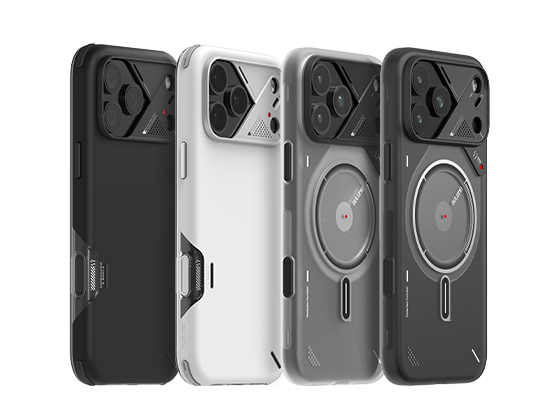
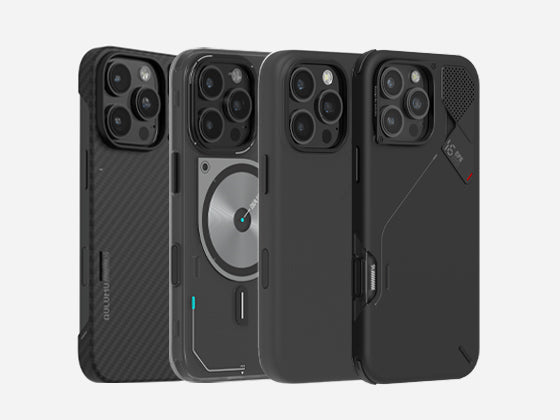
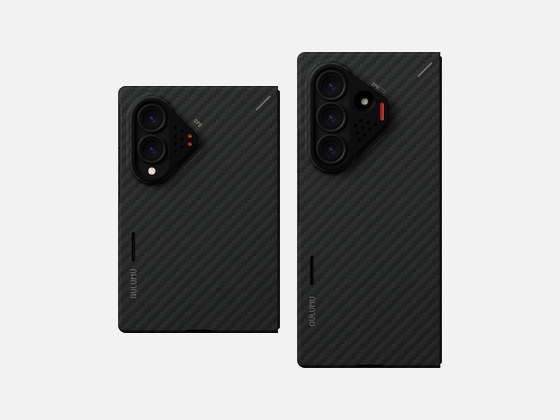
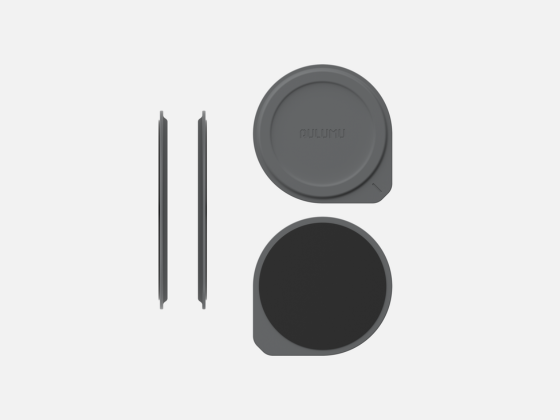
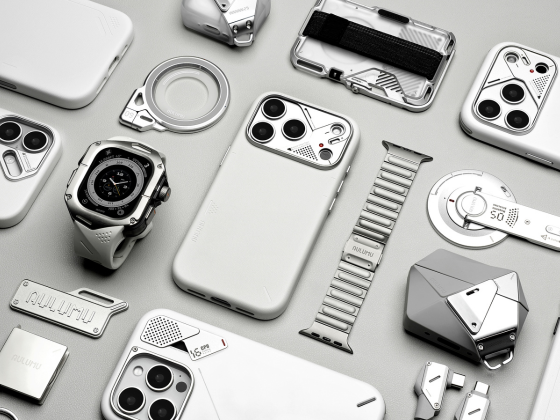
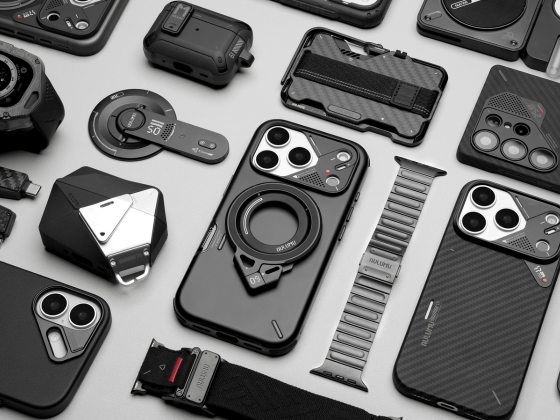
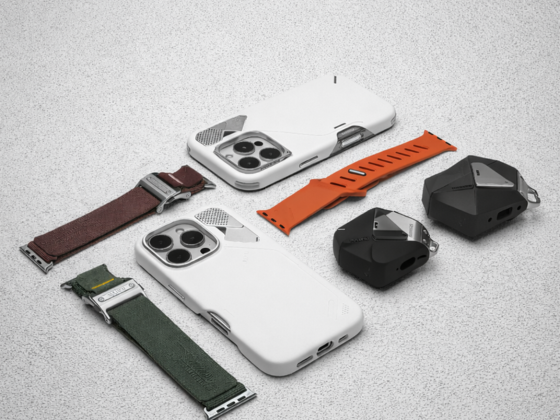
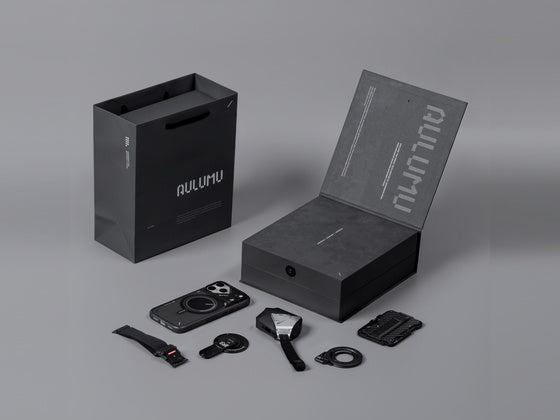
aulumu has also released corresponding phone cases for these two foldable phones. The two iPhone Duo cases are made of aramid fiber, designed for users who prefer unique aramid fiber protective cases and a refined, ultra-thin feel. The case body uses 1500D imported aramid fiber with a dual-screen full-coverage bezel design, combined with an aluminum alloy lens protector for a reinforced structure, offering both high-level protection and strong magnetic fit. The case is only 1.4 mm thick and weighs approximately 30 grams, achieving a balance between lightweight protection and a unique particle array aesthetic for the iPhone Duo. There's no need to worry about adding extra weight to the phone.
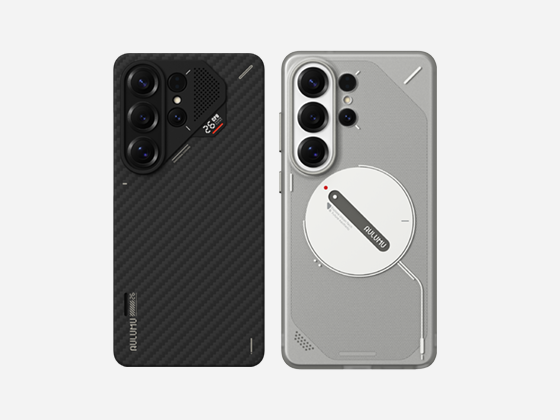
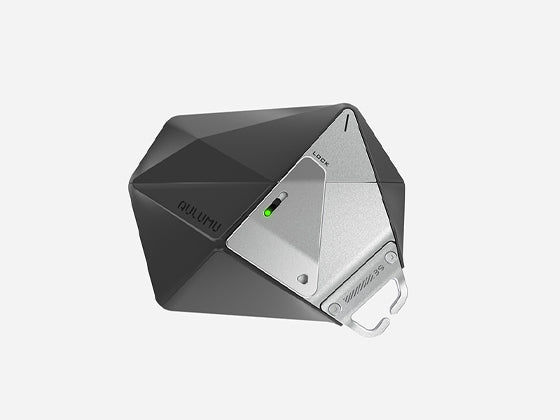
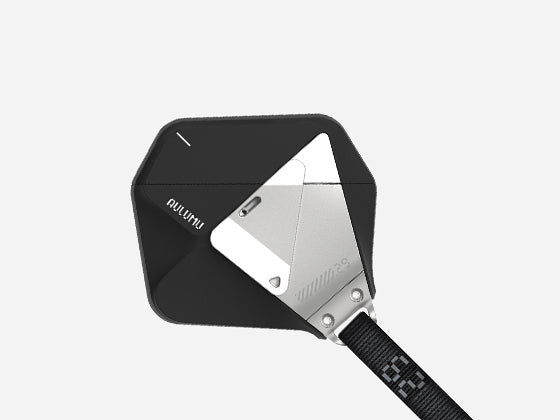
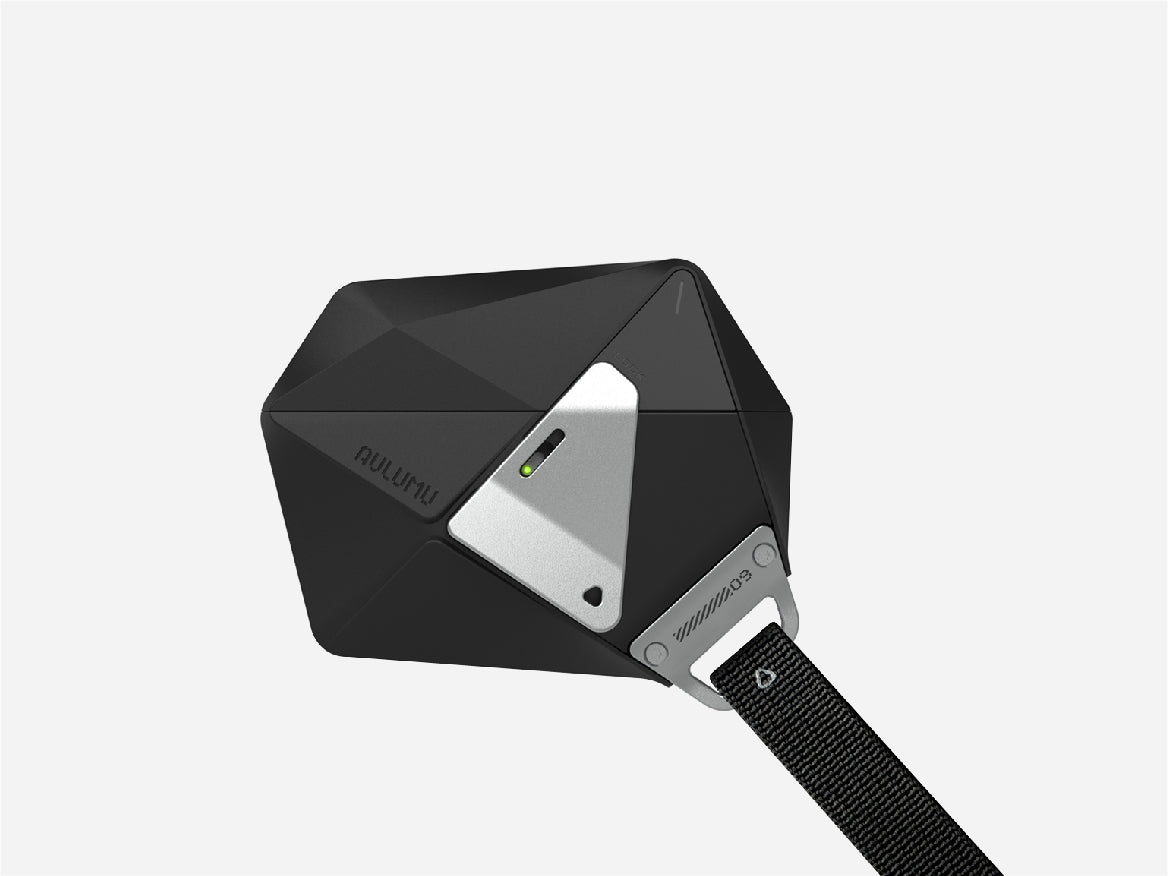
Samsung Galaxy Z Fold8 launched two phone cases. One is an aramid fiber case similar to the iPhone Duo, using the same 1500D aramid fiber material and a dual-screen full-coverage design, while also offering a lightweight feel, magnetic attachment, and heat dissipation . The other is a armor shockproof aramid fiber case , made using a one-piece injection molding process, combining 1500D aramid fiber with flexible TPU, offering both a delicate woven texture and everyday impact cushioning. Both the main display and the cover display have protective bezels around their edges. Reinforced corners and a raised TPU camera protector reduce everyday scratches and prevent the camera from directly contacting flat surfaces. The magnetic hinge cover moves synchronously with the device's folding and unfolding, always covering and protecting the hinge area. Built-in magnets ensure compatibility with MagSafe accessories, including the aulumu G09 magnetic stand.
Price and Value: Which Foldable Is Worth the Investment?
For first-time foldable phone buyers, price is also a significant factor. Both products belong to the high-end foldable phone market, but their starting prices differ by approximately $100. While the price difference isn't particularly large, consumers also need to consider the cost of storage capacity, protective cases, charging devices, and other accessories.
The iPhone Duo's advantages lie in the Apple ecosystem, its long-standing software experience, and its ability to collaborate with other Apple devices. The Galaxy Z Fold8, on the other hand, offers a lighter body, a more flexible Android operating experience, and Samsung's mature foldable screen product portfolio. If you already own a large number of Apple devices, the iPhone Duo, even with its slightly higher price, may better suit your long-term needs. Conversely, if you want to experience the large-screen multitasking capabilities of a foldable screen and value portability, the Galaxy Z Fold8 is highly competitive.
Which Foldable Should First-Time Buyers Choose?
Based on the above comparisons, we can provide more specific purchase recommendations according to different user needs.
Choose iPhone Duo : If you've been using an iPhone for a long time and own other Apple devices such as a Mac, iPad, or Apple Watch, and you prefer the data syncing and collaboration experience between Apple devices , or you prefer the operating logic of iOS and the Apple ecosystem, or you frequently shoot videos and want richer imaging features, then the iPhone Duo would be more suitable for you.
Choose the Samsung Galaxy Z Fold8 : If you prefer the openness and flexibility of the Android system, want a lighter and thinner foldable screen device, and want to better integrate a foldable phone into your work, then the Samsung Galaxy Z Fold8 is more suitable for you.
 Conclusion
Both the iPhone Duo and the Samsung Galaxy Z Fold8 represent significant development directions for the foldable phone market in 2026, but they are not designed for entirely the same users. The iPhone Duo is better suited for Apple ecosystem users, combining the familiar iOS experience with a 7.6-inch foldable screen, offering a new option for iPhone users trying a foldable phone for the first time. The Galaxy Z Fold8, with its lightweight 201g body, Android multitasking capabilities, and mature Galaxy AI features, provides a more flexible experience for users who want to fully utilize the large screen. The best foldable phone should be the one that truly integrates into your daily life and usage habits.