
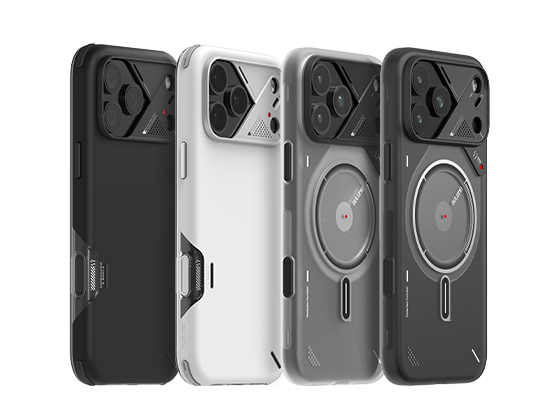
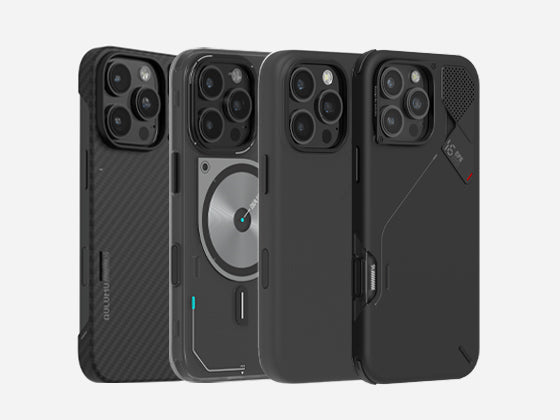


For many iPhone users, a phone case is an essential accessory, but choosing the right one is not easy. While heavy, shock-proof cases offer protection, they sacrifice the original slim and lightweight feel of the phone; conversely, slim cases, while maintaining a comfortable user experience, raise concerns about their shock resistance. If you frequently use MagSafe wireless chargers, magnetic stands, or magnetic card holders, you need to consider even more factors when choosing a case. A suitable phone case should not only be slim and lightweight but also possess reliable magnetic adhesion, a comfortable grip, and adequate protection for everyday needs. This article will help you understand the key factors to consider when choosing a slim and protective MagSafe phone case, covering aspects such as materials, structural design, magnetic performance, daily protection, and usage scenarios.
 Can a Slim MagSafe Case Really Protect Your iPhone?
Thinness and protection are not mutually exclusive concepts. A phone case's protective ability depends not only on its thickness but also on material properties, edge structure, surface treatment, and overall design. For example, a well-designed thin and light phone case, through its conforming structure, appropriate lens protection bezel, and wear-resistant materials, can help reduce scratches and minor impacts during daily use. In contrast, a phone case that simply increases thickness without addressing key areas may not necessarily provide a better overall experience.
Of course, thin and light phone cases also have their limitations. If you frequently spend time outdoors, work in an environment where your phone is prone to being dropped, or need to withstand a higher risk of impact, then a protective phone case with clear drop test data may be more suitable.
Therefore, when choosing a slim MagSafe phone case, the key is not to find the thinnest product, but to find a balance that meets your needs. An ideal product should consider three aspects simultaneously : a slim design, everyday protection, and magnetic compatibility.
Choose the Right Material for a Slim and Protective Case
Materials are a crucial factor in determining the weight, thickness, feel, and durability of a phone case. Different materials have their own advantages, and understanding their characteristics can help you make a more informed choice. Don't judge a phone case's quality solely based on its material name. For slim MagSafe phone cases, it's recommended to consider the case's actual weight, thickness, edge design, and product protection testing information as well .
Aramid Fiber: A combination of lightweight and durability
Aramid fiber is a high-performance fiber material with a high strength-to-weight ratio, often used in product designs that require lightweight construction and superior material properties. In the mobile phone case industry, a major advantage of aramid fiber is its ability to support thin and light casing designs. This material is appealing to users who dislike bulky phone cases and want to preserve the original feel of their phone as much as possible.
Aramid fiber phone cases often feature unique woven textures, creating a clean and futuristic look. Compared to some smooth plastic phone cases, the specific texture treatment can also provide a different grip experience. If you want a phone case that balances lightweight design, minimalist aesthetics, and everyday durability, aramid fiber is a worthwhile option to consider.
TPU: Flexibility and cushioning
TPU is a common thermoplastic polyurethane material used in phone cases. It possesses a degree of flexibility, making it suitable for covering phone edges and designing cushioning structures. TPU phone cases are generally easy to install and remove. Some products utilize the material's elasticity to improve corner protection. For users seeking flexible edges and basic cushioning protection, products with a TPU structure are worth considering.
PC: A common choice for slim and lightweight cases
Polycarbonate (PC) has good rigidity, making it suitable for making thin and lightweight shells that fit the device body. PC phone cases can provide some protection against everyday scratches, and some products combine with other materials or structural designs to improve overall protection.
Composite materials: Designed according to different parts
Some phone cases combine different materials, for example, using rigid materials for the back panel and flexible materials for the frame.The goal of this design is to achieve a balance between weight, appearance, fit, and cushioning. However, composite materials are not necessarily inherently superior to single materials, and the specific structure of the product still needs to be considered.
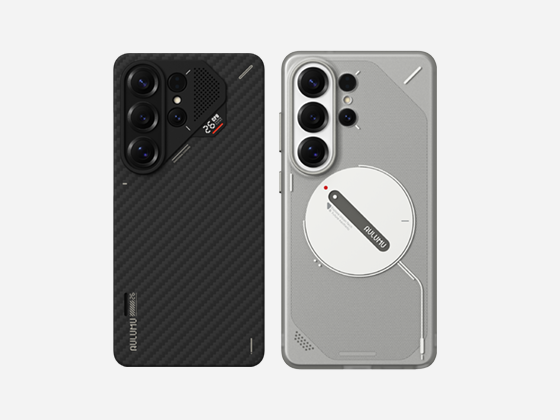
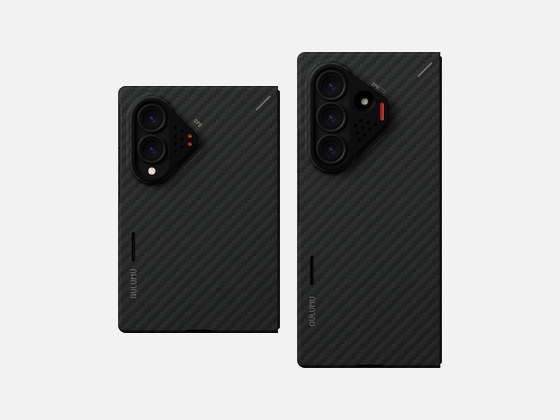
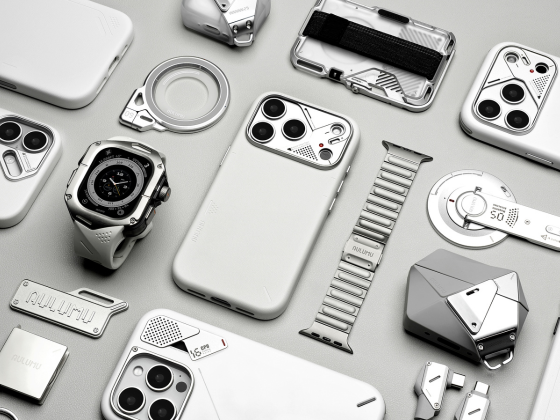
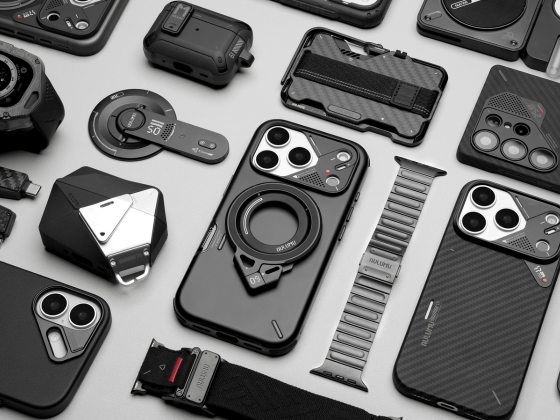
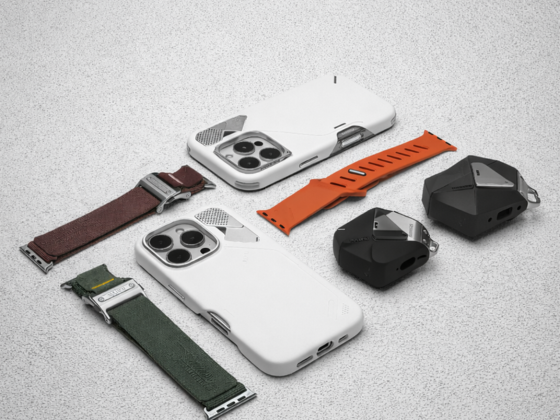
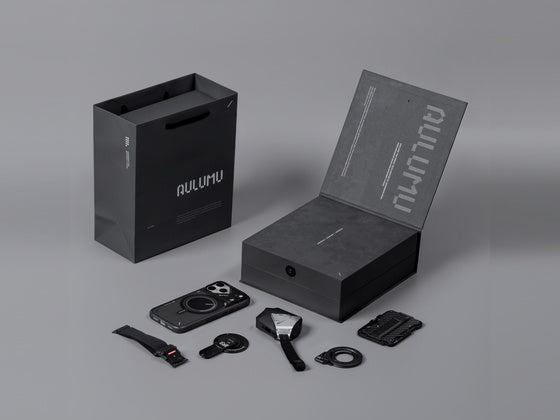
For example, the aulumu armor slim shockproof case. This phone case is designed for high-intensity protection without sacrificing the daily user experience. It features a three-layer structure of PC, TPU, and Avient protection system, along with reinforced corner protectors, upgraded CoolHyper heat dissipation technology, an aluminum alloy lens protection frame, and strong MagSafe compatibility. It ensures both everyday phone use and a slim feel while providing comprehensive protection for the phone, covering corners and the lens area.
 Look Beyond Thickness: Structural Design Matters
If materials determine the basic characteristics of a phone case, then structural design directly affects its performance in daily use. An excellent, thin and light phone case should be rationally designed for the parts of the phone most susceptible to damage, rather than simply relying on increasing material thickness to improve protection.
Check the Screen Edges
The screen is one of the most important and relatively fragile components of an iPhone. When purchasing a phone case, pay attention to whether the front edge is slightly higher than the screen. A suitable edge height helps reduce the chance of the screen directly contacting the surface when the phone is placed face down. However, an excessively high edge may also affect side gestures, so a balance needs to be struck between protection and ease of use.
Pay Attention to Camera Protection
As the size and protrusion of iPhone camera modules continue to evolve, lens protection has become an important part of phone case design. It's recommended to prioritize products with a properly raised bezel around the lens to reduce the risk of scratches when the lens is in direct contact with a table. If you also plan to install a separate lens protector, you should confirm its compatibility with the phone case to avoid size conflicts or improper installation.
Looking for Thoughtful Corner Design
When a phone is dropped, its corners are often among the areas most vulnerable to impact. Some phone cases improve corner protection through localized thickening, special geometric structures, or cushioning materials. For users seeking a slim and lightweight design, these targeted features are particularly noteworthy.
MagSafe Compatibility: Magnetic Strength Is Just as Important
Slimness is only one advantage of phone cases. If you frequently use magnetic accessories, then magnetic performance is equally important.
Understand How MagSafe Works
MagSafe uses magnets to help compatible devices and accessories align and maintain a connection, making it easier for users to use products such as magnetic chargers, stands, and card holders. For MagSafe phone cases, the layout of the built-in magnets, the magnetic structure, and the design of the case itself can all affect the actual user experience.
How to Evaluate Magnetic Strength
When purchasing MagSafe, pay close attention to its connection stability, accessory compatibility, the actual performance of the magnetic components, and the design of the magnetic structure to ensure a secure and stable magnetic experience during use. If the brand provides magnetic force test data, you can further understand the testing conditions, such as the accessories used, the testing direction, and the measurement method. A single magnetic force value does not fully represent the actual user experience.
Consider Your Everyday Accessories
Different magnetic accessories have different requirements for magnetic adhesion. If you mainly use magnetic chargers, then alignment and charging compatibility are more important ; if you frequently use magnetic phone holders, you need to pay attention to the stability of the phone after it is connected to the holder ; if you usually use car magnetic phone holders, you should also consider the actual installation method and vehicle usage environment, and not infer safety while driving based solely on the static magnetic experience. Before choosing a phone case, first determine the accessory you use most often, which will help you select products more effectively.
 5 Features to Look for in a Slim Protective MagSafe Case
After understanding the materials, structure, and magnetic attraction principle, the key points for purchasing can be summarized into the following five aspects.
Lightweight Construction
The weight of a phone case directly affects the long-term grip experience. This is especially true for those who frequently use their phones with one hand, browse content for extended periods, or need to keep their phones in their pockets. Pay close attention to the net weight. Don't just look at advertisements for "Ultra Slim" or "Ultra Lightweight"; instead, check the actual weight and thickness of the product. Also, consider the overall dimensions of the phone case after installation, not just the thickness of the back panel.
Raised Edges for Screen and Camera Protection
The screen and lens are key areas to consider for everyday protection. Appropriate raised edges can reduce direct contact with the desktop, but they cannot completely prevent damage from drops. When choosing a protective edge, pay attention to whether it is reasonable and whether it will affect daily operation.
Durable Surface and Finish
Phone cases need to withstand daily use, including being handled, placed in pockets, and coming into contact with other items. Therefore, surface abrasion resistance, texture, and appearance after long-term use are all worth considering.
Reliable MagSafe Performance
Ensure the product clearly states its magnetic compatibility and use it in conjunction with commonly used accessories. If you frequently change magnetic stands, chargers, and card holders, a stable and convenient connection experience may be more important than simply pursuing stronger magnetic force.
Comfortable Grip and Everyday Usability
Even a thin phone case can hardly be considered practical if the edges are uncomfortable, the surface is too smooth, or the buttons are difficult to operate. When purchasing, pay attention to whether the edges are rounded, whether the surface texture suits your grip habits, and whether it will affect the buttons, ports, or wireless charging after installation. Ultimately, a truly suitable phone case should provide minimal burden during use.
Slim vs Rugged vs Hybrid: Which Case Should You Choose?
Different types of phone cases suit different needs, and there is no single choice that suits everyone. If you mainly use your phone in the office, at home, and during your city commute , a slim and lightweight phone case may be sufficient for your daily needs. If you frequently engage in outdoor activities, or if your phone is prone to being dropped from heights, you should prioritize products with clear protection test results. For users who want to maintain their phone's design while requiring daily protection and magnetic closure, consider a well-structured, slim composite material phone case, or a product made of lightweight materials such as aramid fiber.
Common Mistakes to Avoid When Buying a Slim MagSafe Case
There are a few common misconceptions to be aware of during the purchasing process.
Myth 1: The thinner the better. Overemphasizing thickness may lead to neglecting corner protectors, camera lens, and screen protection. The overall design should be considered, not just the thickness of the back panel.
Myth 2: All MagSafe phone cases have the same magnetic attraction. Even if they all support MagSafe, different products may vary in terms of magnetic stability and accessory compatibility.
Myth 3: Higher material strength necessarily means better drop protection. The actual impact resistance of a phone case also depends on its structure, coverage area, and test results.
Myth 4: Ignoring the compatibility of phone cases with other accessories. Before purchasing, you should confirm whether the screen protector, lens accessories, and magnetic holder can be used together properly.
Myth 5: Only comparing prices. In addition to the cost of purchase, you should also consider durability, user experience, and whether it meets your long-term needs.
 Conclusion
Choosing a slim MagSafe phone case that offers reliable everyday protection is key to finding the right balance. Don't just focus on how thin the case is, nor assume that thicker cases are necessarily safer. A more sensible approach is to consider materials, overall structure, corner protection, magnetic compatibility, and actual weight. A truly suitable phone case for everyday use should provide necessary protection while preserving the phone 's original lightweight, elegant design, and ease of use as much as possible. Clearly define your needs to find a slim, protective MagSafe case that truly suits you .
