

Apple's first foldable phone, the iPhone Duo, has officially been unveiled. It not only features a completely new foldable design but also attempts to combine the traditional iPhone user experience with a larger internal screen, dual-app operation, and AI capabilities. For users who have always wanted a large-screen iPhone, this product is undoubtedly a significant change in Apple's product line. However, the iPhone Duo is not simply a larger iPhone. The folding structure affects the device's portability, usage, accessory compatibility, and long-term maintenance costs. Its high-end pricing also means consumers need to carefully consider whether the larger screen and new interaction methods are worth the extra cost. This article will focus on key aspects of the iPhone Duo , including its specifications, price, camera, and battery , detailing its main features, highlights, potential limitations, and considerations before purchasing.
 What is the iPhone Duo?
The iPhone Duo is Apple's first iPhone Fold . Unlike traditional candybar iPhones, it features an unfoldable design. When folded, users can perform everyday tasks on the external screen; when unfolded, the larger internal screen allows for web browsing, information processing, video watching, or multitasking. This design addresses a long-standing need: users want a phone that is portable enough while still providing a tablet-like user experience.
Traditional iPhones offer significant advantages in one-handed operation and portability, but their screen space is limited. When users need to view multiple apps simultaneously, read lengthy content, or edit images, the smaller display area can restrict operational efficiency. For those who want a large-screen device but are concerned about its portability, foldable screens were developed, attempting to find a balance between these two experiences.
According to information released by Apple, the iPhone Duo features a 5.4-inch external screen and a 7.6-inch internal screen, and is powered by the A20 Pro chip. Apple has also designed an iOS 27 user experience adapted to its foldable form factor, as well as new features for photography, video calls, and multitasking. This means that the core selling point of the iPhone Duo is not a single isolated hardware upgrade, but rather the change in usage brought about by the combined effects of the screen, software, and body structure.
iPhone Duo Specifications Overview
Before deciding whether the iPhone Duo is worth buying, let's understand its key hardware specifications. The following information is based on data published on Apple's official product page.
|
Specifications |
iPhone Duo |
|
Product Form |
Foldable smartphones |
|
External screen size |
5.4 inches |
|
Inner screen size |
7.6 inches |
|
Processor |
Apple A20 Pro |
|
Main camera system |
48MP Dual Fusion dual-camera system |
|
Zoom capability |
Up to 2x optical quality zoom |
|
Video playback battery life |
External screen mode lasts up to 44 hours; internal screen mode lasts up to 31 hours. |
|
Charging capability |
Wired fast charging takes approximately 20 minutes to charge to 50%. |
|
Fuselage material |
Titanium metal frame and hinge cover structure |
|
Operating system |
iOS 27 |
|
Starting price |
$1,999 |
These parameters clearly indicate that the iPhone Duo is positioned as a high-end device emphasizing a large screen experience, flagship-level performance, and new interaction methods, rather than an entry-level iPhone for all consumers. It's important to note that screen size, processor performance, and official battery life figures are only part of the evaluation. The actual experience of a foldable device also depends on factors such as weight, grip, app compatibility, screen durability, and accessory design.
What is the price of the iPhone Duo?
The official starting price for the iPhone Duo is $1,999, with pre-orders scheduled for October 16, 2026, and a full release date of October 23. This price means the iPhone Duo isn't a product that can easily convince all consumers based solely on regular upgrade needs. Before purchasing, it's more important to assess whether you truly need the extra functionality offered by a foldable screen. We can judge this from three perspectives :
First, do you frequently need a large screen? If you read a lot of documents, process emails, view spreadsheets, watch videos, or use multiple apps daily, then the 7.6-inch internal screen may offer a noticeable improvement in experience. However, if your phone usage mainly focuses on chatting, short videos, social media, and simple photography, a traditional candybar iPhone may be sufficient for your needs.
Secondly, are you willing to pay for a completely new product form factor? The value of foldable screens isn't just about increased screen size; it also includes the seamless transition between unfolded and folded modes, and the software experience specifically designed for this form factor. For users who enjoy trying new technologies, this change itself is attractive. However, for users who prioritize cost-effectiveness, it should be compared to the actual functional differences of traditional flagship phones.
Third, have you considered the long-term usage costs? For high-end foldable phones, it's not just about the purchase price; you should also consider protective accessories, repair costs, and routine maintenance. The screen and hinge structure, in particular, need proper protection over extended use. For users with limited budgets who hope to use a phone for many years, potential repair expenses should be factored into their decision-making process, in addition to the initial price.
iPhone Duo's Screen and Design: What's Different When Folded?
The screen is one of the most important aspects of foldable phones that cannot be ignored.
5.4-inch external screen: meets the needs of daily quick operation
In its folded state, users can perform routine operations on the 5.4-inch external screen, such as viewing messages, browsing notifications, using common apps, and taking photos. The advantage of the external screen is that users don't have to unfold it every time they use the phone. For scenarios like quickly replying to messages, viewing navigation information, or handling temporary tasks, the folded state allows for more direct operation. However, the 5.4-inch display area is not particularly spacious compared to some large-screen smartphones of recent years. Users accustomed to widescreen phones may need some time to adjust to its external screen ratio and keyboard layout.
7.6-inch internal screen: Making the phone closer to a small tablet
When unfolded, the 7.6-inch internal screen provides a larger display area, suitable for users who need to read, watch, and multitask. For example, you can view documents on the larger screen while handling another task; when reading long articles, you also need to reduce the need for frequent page scrolling. This change has practical significance for mobile office work, light content creation, and entertainment. Of course, a larger screen does not automatically mean a better experience for all applications. Whether third-party applications can make full use of the screen space also depends on the developers' adaptation efforts.
Folding structure and durability
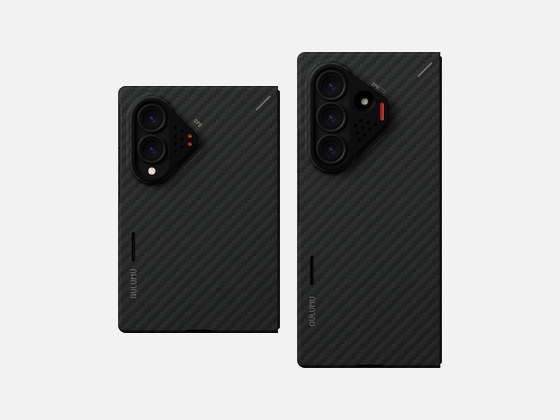
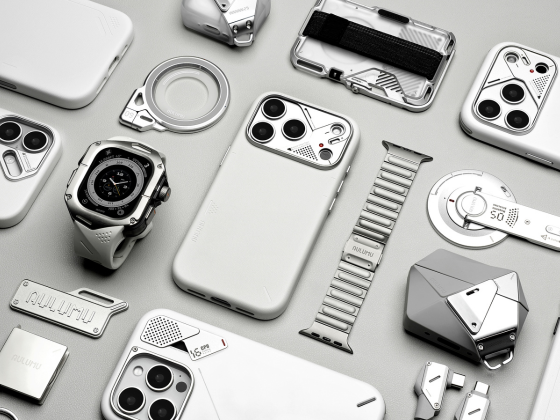
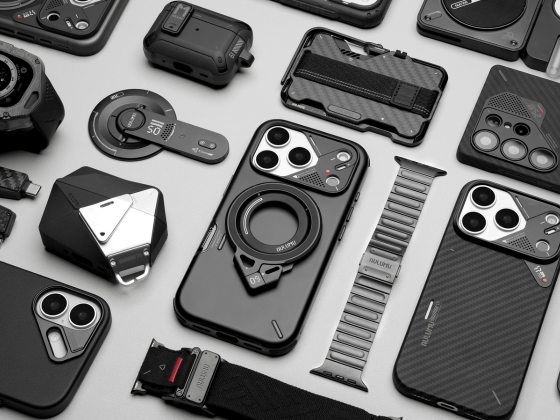
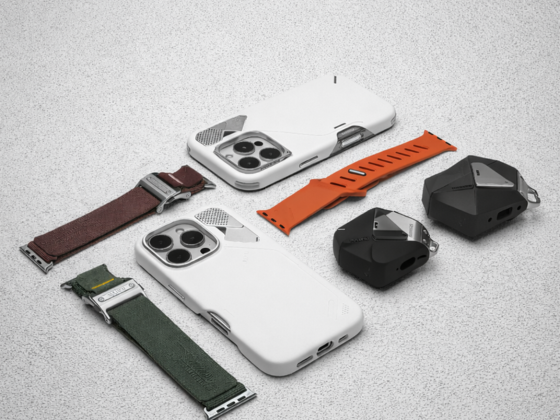
Apple uses a titanium frame and hinge structure for the iPhone Duo, emphasizing its foldable design and screen experience. However, for any foldable phone, durability cannot be judged solely by the material name. The long-term stability of the hinge, the scratch resistance of the screen surface, daily dust management, and performance after repeated folding are all important factors. If you plan to use the iPhone Duo for a long time, it is recommended to avoid direct contact between sharp objects and the screen, and not to install or remove the internal screen protector without consulting the official instructions. A suitable protective case is also particularly important.
 iPhone Duo Camera : What are the features of the 48MP dual-lens camera?
For many consumers, camera performance is a crucial factor in determining whether a flagship phone is worth buying. The iPhone Duo features a 48MP Dual Fusion dual-camera system and supports up to 2x optical zoom. Apple has also designed various shooting functions that utilize the dual-screen form factor for this foldable phone.
48MP main camera: meets everyday shooting needs
High-resolution sensors provide rich detail in images, but the final quality of a photo is also affected by factors such as sensor size, lens design, image processing algorithms, lighting conditions, and shooting method. For everyday recording, travel photography, and social media content, the iPhone Duo's main camera system has clear value. However, it's inaccurate to assume that its 48MP resolution alone makes it superior to other flagship phones in all shooting scenarios. Especially in low-light conditions, with fast-moving objects, and in complex lighting environments, it's necessary to assess performance based on actual shooting results.
2x optical quality zoom: suitable for common composition needs
Apple's announced camera specifications support 0.5x, 1x, and 2x zoom, with the highest 2x being optical zoom, not true optical zoom provided by a dedicated telephoto lens. This distinction is noteworthy. 0.5x is suitable for landscapes, architecture, and wider shooting scenarios. 1x is suitable for everyday recording and regular composition. 2x is suitable for people, food, and scenes requiring a slightly closer shot. If you frequently shoot distant stages, wildlife, or sporting events, you should pay particular attention to the performance of the dedicated telephoto lens and higher magnification optical zoom. The iPhone Duo's camera configuration should be evaluated based on actual usage needs, rather than solely on megapixel count.
New ways to shoot with foldable screens
One unique advantage of foldable screens is their ability to offer shooting options different from traditional candybar phones. Apple has announced features like Smart Take, Duo Preview, Kid Cue, and Duo FaceTime. For example, Duo Preview allows the subject to preview the framing in real-time on the external screen ; Smart Take provides assistance for group photos. The value of these features lies in making shooting less reliant on another device or additional personnel. For those who frequently take selfies, family photos, or create social media content, these designs may be more appealing than simply adding a lens. However, if your core needs are professional-grade zoom, complex portrait photography, or demanding video creation, it's still advisable to compare the iPhone Duo with flagship models that boast more comprehensive professional camera systems.
iPhone Duo Battery Life : Battery and Charging Performance Analysis
Foldable phones need to power different display states and complex hardware structures simultaneously, making battery life a crucial consideration before purchase. Apple has adopted a dual-battery system for the iPhone Duo and released the following video playback battery life figures : using the external screen, the longest video playback time is 44 hours; using the internal screen, the longest video playback time is 31 hours. Furthermore, Apple states that under suitable wired fast charging conditions, the device can be charged to 50% in approximately 20 minutes.
iPhone DuerOS Performance : A20 Pro Chip and AI Features
The iPhone Duo is powered by the Apple A20 Pro chip. Apple's information indicates that this chip features a 6-core CPU and a dual 16-core Neural Engine; compared to the A19 Pro, CPU performance is up to 20% faster, and memory bandwidth is up to 50% faster. These upgrades primarily target complex computing, graphics processing, and AI workloads.
Daily use and multitasking
For ordinary users, processor performance not only affects application launch speed but also impacts the experience of gaming, video editing, photo processing, and multitasking. A key goal of foldable devices is to allow users to handle multiple tasks simultaneously on a larger screen. A more powerful processor combined with a larger display area helps support this usage. However, the actual multitasking experience depends not only on the chip but also on memory configuration, system scheduling, and the degree to which applications are adapted to the foldable screen.
Heat dissipation design
Apple equipped the iPhone Du with a vapor chamber cooling system. For games, graphics processing, and AI applications that require sustained operation, this thermal design helps manage internal heat. If you frequently play demanding games or engage in prolonged video processing, cooling capabilities are worth considering. However, this doesn't mean the device will never get hot under all loads, nor does it mean that its cooling structure alone guarantees it's superior to other flagship phones.
Siri AI and Apple Intelligence
Apple has also incorporated Siri AI and Apple Intelligence features into the iPhone Duo's product experience. Official descriptions include features such as intelligent photo editing, image expansion, and object cleanup. These features reduce repetitive tasks, making it more convenient for users to take, organize, and process photos and information. It's important to note that the availability of specific features may be limited by language, region, system version, and usage conditions. If you are particularly interested in AI features, it is recommended to confirm which services are supported in your target region before purchasing.
Is the iPhone Duo worth buying?
Whether the iPhone Duo is worth buying ultimately depends on how you use your phone and how much you're willing to pay for the foldable screen experience. If you frequently multitask on your phone and want more screen space, the iPhone Duo's form factor is appealing. If you prioritize the portability of a traditional flagship phone, a complete camera system, or a balance between price and performance, then models like the iPhone 18 Pro and iPhone 18 Pro Max are also worth considering. For consumers unsure whether they need a foldable screen, a safer option is to experience the device in person at an Apple Store, focusing on how it operates when unfolded, the feel when folded, and the actual size of the external screen before deciding to buy.
 Conclusion
The iPhone Duo represents a significant exploration of smartphone form factors by Apple. It integrates a 5.4-inch external screen, a 7.6-inch internal screen, an A20 Pro chip, a 48MP dual-camera system, and a dual-battery design into a single foldable device, allowing it to function as both a traditional smartphone and a lightweight, large-screen device. However, its value cannot be measured by a single parameter. The key to buying the iPhone Duo is not chasing the latest product form, but rather determining whether the foldable screen can truly improve your daily user experience. The product's true value is only realized when a larger screen, more flexible operation, and reasonable long-term operating costs all meet your needs.