


If you're choosing an aramid fiber phone case, you'll likely see numbers like 600D, 1000D, and 1500D in product descriptions. These parameters are familiar to those acquainted with outdoor gear, automotive materials, or high-performance fibers, but for the average phone user, a natural question is: what exactly is the difference between 600D, 1000D, and 1500D? Does a higher number necessarily mean a more durable case? To truly understand the differences between different denier values, we need to start with aramid fiber itself, the definition of denier, and the final structural design of the phone case.

What is Aramid Fiber?
Aramid fiber is a high-performance synthetic fiber."Aramid" comes from "Aromatic Polyamide". With its high strength, good wear resistance, heat resistance and lightweight characteristics, aramid has long been used in aerospace, automotive, industrial manufacturing, protective equipment and composite materials.
These properties also make aramid a popular material for high-end phone cases.Compared to regular plastic phone cases, one of the most distinctive features of aramid fiber is its ability to offer a recognizable woven texture and material feel while maintaining a lighter weight. For phone cases, this means designers can find a balance between thinness, structure, and everyday durability. However, when you see product pages listing "600D Aramid Fiber" or "1000D Aramid Fiber," be aware that the "D" here does not simply indicate a "performance rating."
What Does “D” Mean in Aramid Fiber?
Here , "D" stands for Denier. Denier is a unit used to describe the linear density of fibers or yarns. The traditional definition is: the weight in grams of 9000 meters of fiber. Therefore, by definition, 600D means 9000 meters of fiber weighs approximately 600 grams ; 1000D means approximately 1000 grams ; and 1500D means approximately 1500 grams . So, when the D value increases from 600 to 1000, and then to 1500, it means that, for the same length, the fiber or yarn has a higher linear density. Simply put, a higher D value generally indicates a higher linear density of the fiber/yarn. However, this is not the same concept as "a phone case is always stronger."
What are the differences between the 600D, 1000D and 1500D?
This is the issue consumers care about most. From Denier's perspective, 600D, 1000D, and 1500D represent different linear densities. Under similar conditions regarding the wire material, weaving method, and other factors, a higher D value generally means more material per unit length. However, when these fibers are actually applied to phone cases, the final effect is influenced by many factors.
|
Parameter |
600D |
1000D |
1500D |
|
Linear density |
lower |
medium |
higher |
|
Yarn characteristics |
Relatively fine |
medium |
Relatively coarse |
|
Surface texture |
Usually more delicate |
More obvious |
Usually more obvious |
|
Material Presence |
lower |
medium |
higher |
|
Potential weight effects |
lower |
medium |
Possibly higher |
The most important point here is that the D value can only help you understand the material specifications, and cannot be used alone to judge the overall performance of a phone case.
Is a higher D value always better ?
The answer is no, not necessarily . This is the most common misconception when understanding aramid fiber phone cases. If you only look at the denier, then 1000D has a higher linear density than 600D, and 1500D is higher than 1000D. However, a phone case is not an isolated fiber; it is ultimately a complete structure that has undergone weaving, layering, compounding, molding, and processing. The actual performance of a phone case can be affected by the following factors: the specifications of the aramid fiber itself , fiber strength , yarn structure , weaving method , weaving density , number of material layers , composite material structure , molding process , case thickness , frame structure , corner design , and lens protection design . Therefore, you cannot simply assume that 1500D is greater than 1000D , which is greater than 600D , and then conclude that "a 1500D phone case is definitely better." A more accurate understanding is that a higher denier represents a different fiber/yarn linear density, and the final performance of the phone case depends on the overall product structure.
 Does the D value affect the thickness and weight of a phone case?
This is a question many consumers ask. Is 1500D always thicker than 600D? No. The final thickness of a phone case is not determined solely by a single fiber specification. For example, the final thickness of a phone case may depend on the fiber itself , the weaving method , the number of layers , the shell structure , and the molding process . Therefore, even if two products use aramid fibers with different denier (D) values, the final thickness cannot be judged solely by whether it's 600D or 1500D. Similarly, the weight of a phone case cannot be directly calculated using its denier (D) value.
When comparing two actual products, more valuable data typically includes the actual weight of the phone case , its thickness , material structure , whether additional protective structures are included , internal components such as the MagSafe magnetic ring , and the lens protection frame design . In other words, the final product specifications are more important than a single "D" number.
600D, 1000D, or 1500D? How should I choose?
If you see aramid phone cases in different Denier specifications, you can interpret them according to your own usage needs.
600D: More focused on thinness and a refined texture
600D is often considered a material specification for lightweight design. If you prefer a bare-phone feel , the lightest possible phone case , a clean look , and minimal material presence , then a slim aramid phone case might be more suitable for you. For people who hold their phones for long periods every day, the added weight of a phone case may seem small, but the difference in weight and thickness becomes more noticeable over time.
1000D: Finding a balance between thinness and a premium feel
The 1000D can be understood as a more intermediate specification. For many users, a phone case doesn't need to be extremely thin or extremely thick; rather, they want a balance of material quality , everyday durability , grip comfort , structural feel , and weight . In this case, instead of pursuing one extreme parameter, it's better to comprehensively compare the actual thickness, weight, and structure of the product.
1500D: More pronounced texture and material presence
Higher denier fibers or yarns typically result in higher linear density, leading to more pronounced textures and material feel in specific weave structures . These products may be more aesthetically pleasing to users who prefer a more defined weave , a stronger visual impact , and a more impactful industrial design. However, it's important to reiterate that 1500D does not equate to "1500-level drop resistance." If drop resistance is your primary purchasing criterion for a phone case, you shouldn't just look at the denier; you should also pay attention to the overall structural design and product testing data.
Besides the D value, what else should you look for when buying an aramid phone case?
If you're really planning to buy an Aramid Fiber Phone Case, it's advisable not to just look at the "600D," "1000D," or "1500D" in the product name. The following indicators are equally important.
Aramid fiber itself : First, confirm exactly what material the product uses. "Aramid Fiber" is simply a material category. Different products may use different fiber specifications, yarn structures, and compounding methods. Therefore, if the brand can provide more specific material information, consumers can make a more accurate judgment about the product.
Weaving Method : Aramid fiber phone cases often exhibit a very distinct weaving texture. Different weaving methods affect the surface visual effect , texture fineness , feel of the phone case , material arrangement , and overall appearance of the case . Therefore, even though they are both made of aramid fiber, different products can still have completely different textures.
Actual weight of the phone case : If one of your main purposes for buying an aramid phone case is to reduce weight, then the actual weight is often more important than the density (D) value. Especially since current flagship phones are already quite heavy, if the phone case adds significant weight, the difference may be more noticeable during extended use.
Actual thickness : For those who prefer the feel of holding their phone without a case, thickness is equally important. A good thin and light phone case needs to strike a balance between protection, structure, and grip, rather than simply piling on materials.
The overall structure of the phone case : In addition to the materials themselves, you should also observe whether there is structural support at the four corners , whether the lens area is protected , whether the screen edges have sufficient height , whether the buttons are independently designed , whether the MagSafe magnetic structure is compatible , and whether wireless charging works properly . These factors often have a more direct impact on the daily user experience than whether it's a "600D or a 1000D".
aulumu Aramid Fiber Phone Cases: More Than Just a D Value
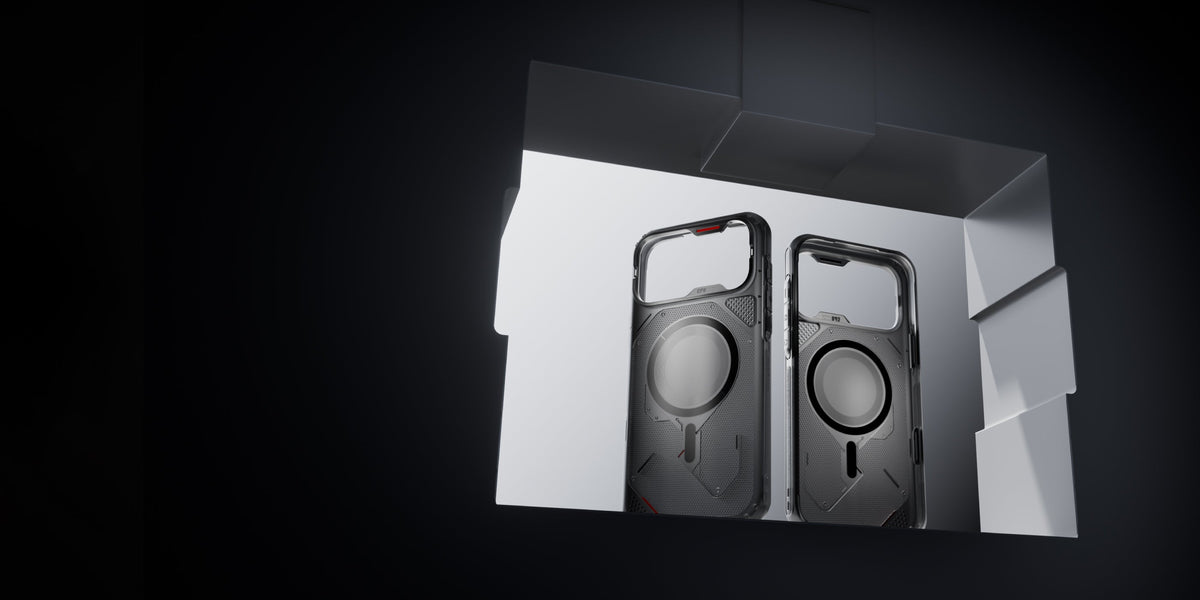
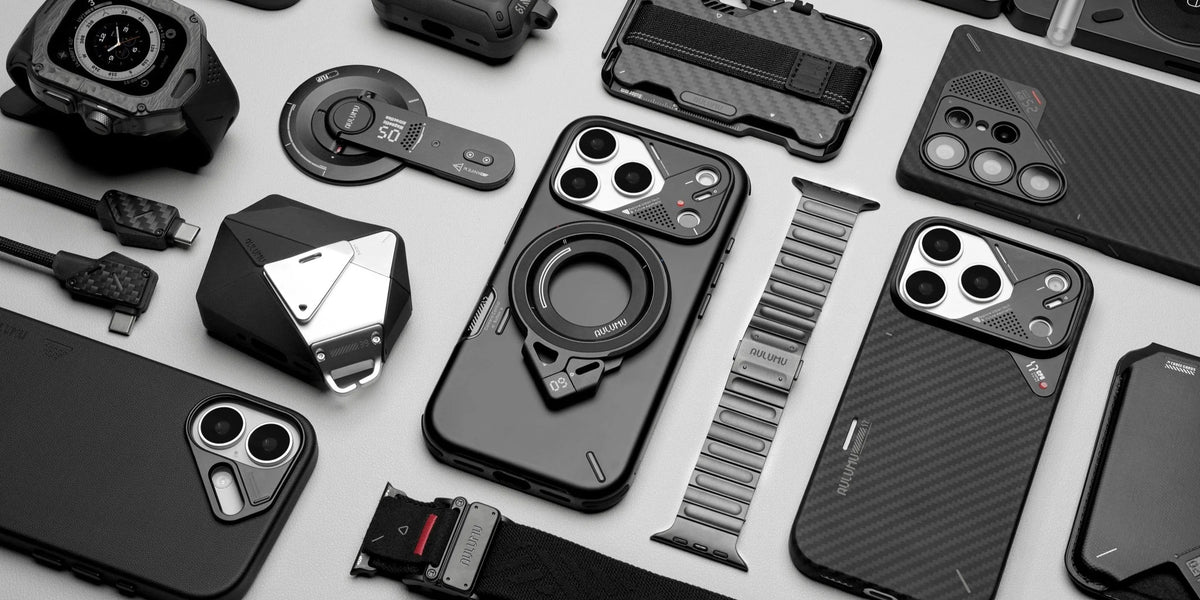
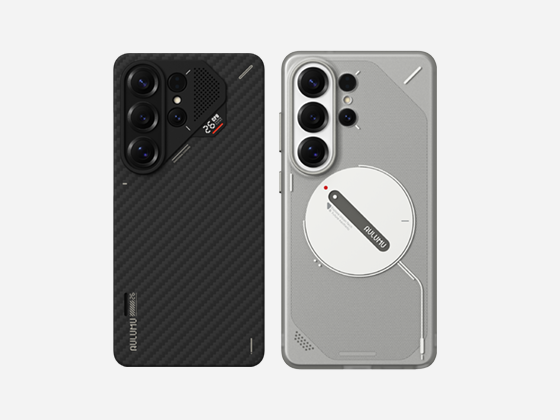
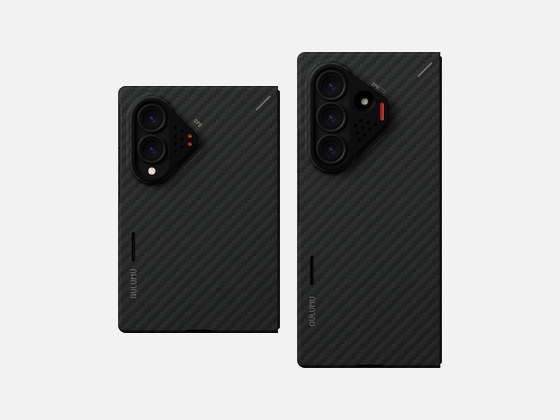
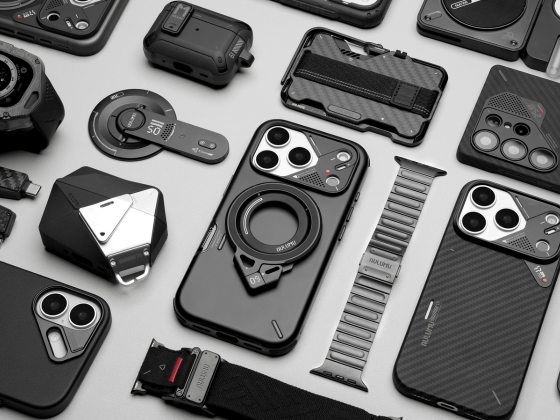
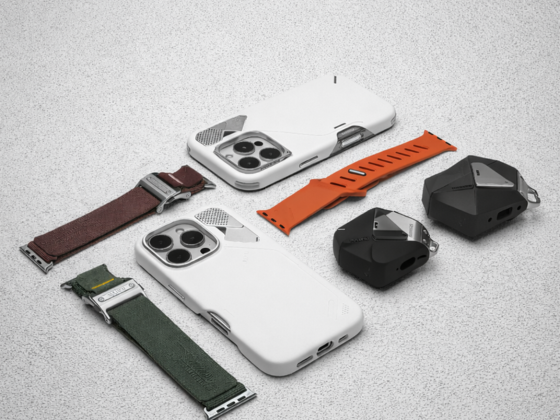
For high-end phone cases, aramid fiber itself is merely the starting point for product design. aulumu's aramid fiber phone cases also emphasize the balance between materials, lightweight design, and everyday user experience. The lightweight characteristics of aramid fiber help the phone case provide daily protection without excessively burdening the phone; while the woven texture of the fiber offers a visual and tactile experience distinct from ordinary plastic or silicone phone cases.
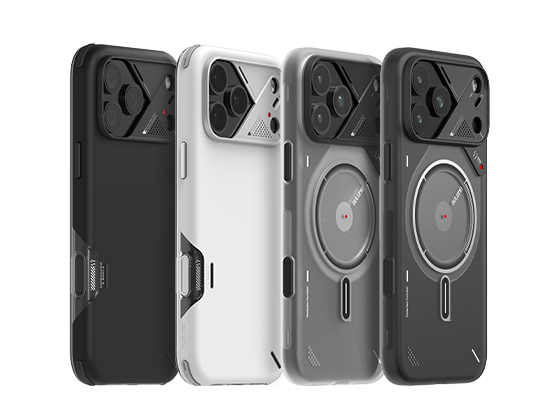
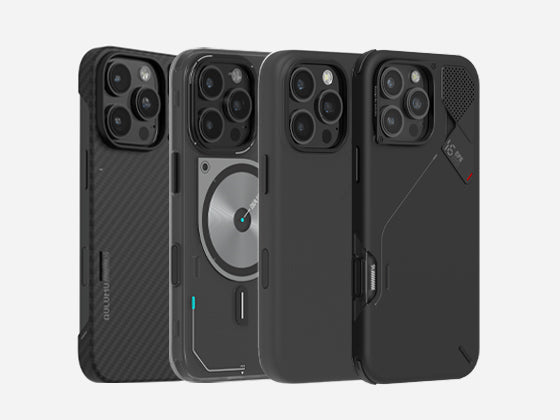
All of aulumu's newly launched aramid fiber phone cases utilize 1500D weaving technology, maintaining a high-density weave while ensuring the case remains lightweight and thin. Furthermore, all aulumu phone cases are compatible with MagSafe, allowing for use with various magnetic stands, magnetic power banks, and more. Additionally, aulumu phone cases feature exclusive cool heat dissipation technology, eliminating concerns about overheating during use.

Conclusion
600D, 1000D, and 1500D may seem like just three simple numbers, but they represent different linear densities of aramid fibers or yarns. Denier is merely an entry point to understanding aramid fiber phone cases, not the final answer to evaluating a product. For phones used for several hours every day, what truly matters isn't a particular number on a product page, but whether the phone case ultimately finds a suitable balance between lightweight design, protection, grip comfort, and aesthetics. Understanding this parameter makes it easier to grasp the true value of an aramid fiber phone case.